
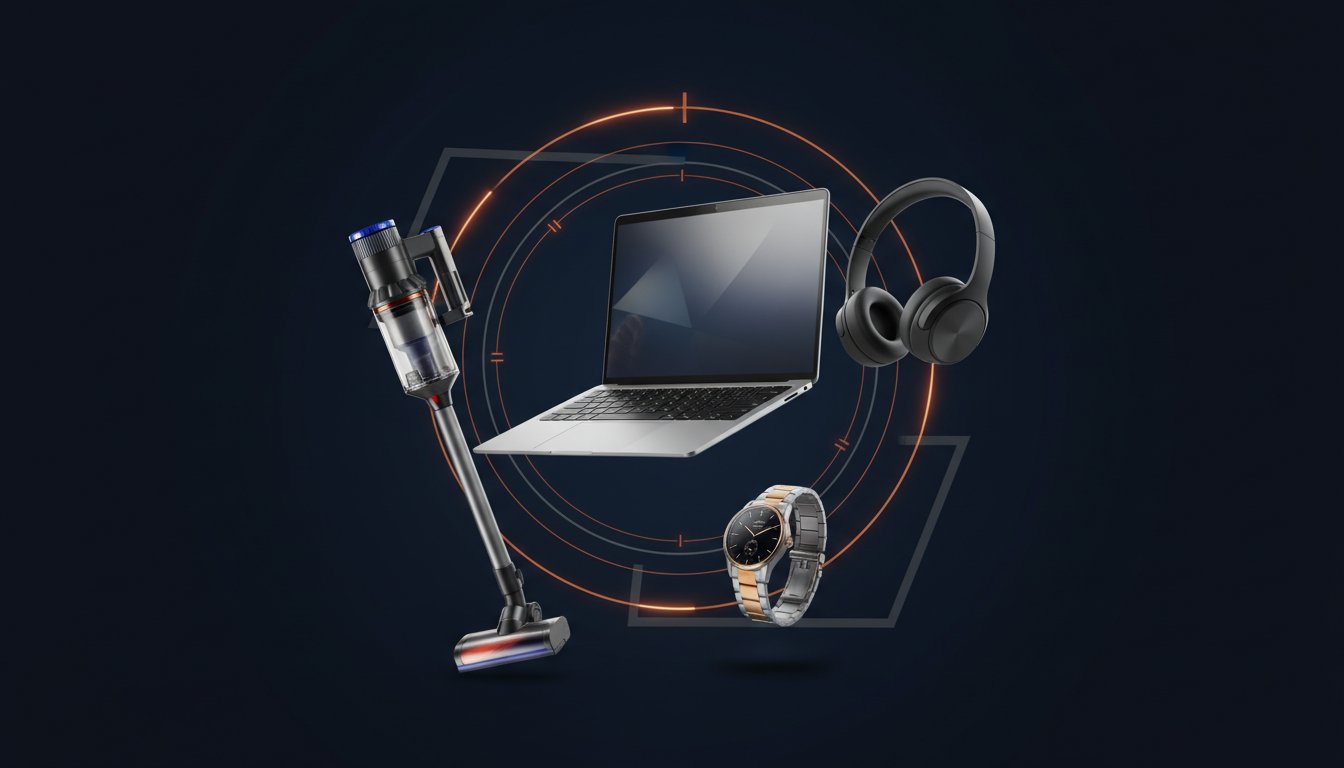
A 2024 study by the Incentive Research Foundation confirms that 84% of high-performing employees prefer tangible gifts over digital credits, yet 62% of UK businesses still issue generic email vouchers. This strategic gap is why many corporate rewards programmes fail to deliver the expected 15% increase in sales productivity. You’ve likely experienced the logistical strain of managing physical inventory or the low engagement rates associated with expiring digital codes. It’s an inefficient approach that wastes budget and fails to satisfy the professional standards expected by your top talent.
This guide provides a technical framework to move beyond basic vouchers and implement a high-impact strategy using premium physical goods and bespoke fulfilment. You’ll learn how to secure trade-only access to brands like Apple and Dyson while eliminating the logistical headaches of international shipping. We’ll examine a streamlined procurement process designed to increase employee retention and ensure your 2026 incentive strategy operates with clinical efficiency.
Key Takeaways
- Understand why physical objects drive a higher ROI than digital credits by leveraging the ‘Endowment Effect’ for long-term employee engagement.
- Discover how to build a high-impact corporate rewards strategy by matching premium tiers to specific achievement levels, from the latest iPads to luxury garden furniture.
- Learn the importance of trade-only sourcing and no-minimum order quantities to ensure your incentive programme remains both exclusive and operationally agile.
- Identify how bespoke fulfilment and thirty years of industry expertise can streamline your B2B gifting while meeting complex regulatory and logistical requirements.
What Are Corporate Rewards in the Modern B2B Landscape?
Corporate rewards represent a strategic system of recognition. They use high-value tangible goods to incentivise specific business behaviours. This isn’t just about giving away products. It’s about a structured Reward Management strategy that aligns employee or client actions with company goals. In the current UK market, these rewards serve as a bridge between performance and tangible appreciation. They aren’t mere bonuses; they’re investments in human capital.
By 2026, the B2B market demands more than standard perks. Employees and partners see through low-effort gestures. A 10% discount code for a high-street retailer doesn’t drive performance in a high-stakes environment. Prestige is the new currency. High-value hardware creates a lasting impact that cash bonuses often fail to achieve. Cash is frequently absorbed into monthly household bills. A physical reward, like an Apple Watch or a MacBook, remains a constant reminder of achievement and professional status.
There’s a clear line between promotional ‘swag’ and genuine corporate rewards. Swag consists of low-cost items like branded pens, plastic water bottles, or tote bags. These are marketing tools intended for mass distribution at trade shows. Genuine rewards involve high-value assets with retail prices often exceeding £500. These items carry inherent value and don’t require a company logo to be effective. Using trade-only suppliers is essential here. These specialists provide the exclusivity and logistics support required for professional distributions. They ensure the items aren’t just off-the-shelf consumer goods but part of a managed, tax-efficient corporate programme.
Working with trade-only partners also ensures price integrity. When a business procures rewards, it’s vital the recipient can’t easily find the same item at a heavily discounted rate the next day. These suppliers maintain the ‘prestige’ element by offering consistent pricing and stock availability that consumer retailers can’t always guarantee. This reliability is the foundation of a professional B2B incentive scheme.
The Evolution of Staff Recognition
Generic vouchers are losing their motivational spark. A 2024 industry report indicated that 64% of UK workers find gift cards impersonal and forgettable. The market has moved towards ‘lifestyle rewards’. These are premium products that enhance an employee’s personal life or home office. When a firm provides high-end audio equipment or Apple devices, it elevates the employer brand. It signals that the business values quality and invests in the best tools for its people. These rewards often benefit the entire family, which creates a deeper emotional connection between the employee and the business. Understanding the latest high-end employee rewards trends for 2026 can help organisations stay ahead of shifting workforce expectations and design recognition programmes that genuinely resonate with top talent.
Key Objectives of a Rewards Programme
A structured corporate rewards programme serves three main functions. First, it drives sales performance. High-stakes competition prizes, such as a £1,199 MacBook Air, can increase quarterly output by 18% based on recent UK performance metrics. Second, it improves retention. Celebrating a five-year milestone with a premium device reduces turnover costs, which often reach £30,000 per employee in professional sectors. Finally, it fosters client loyalty. Sending a high-quality, bespoke onboarding gift during the first 30 days of a contract builds immediate trust. It transforms a standard service agreement into a high-value partnership.
Tangible vs. Digital: Why Physical Rewards Drive Higher ROI
Physical objects trigger the ‘Endowment Effect,’ a psychological principle where individuals place a higher value on items they physically possess compared to abstract credits. When an employee receives a digital voucher, it’s often viewed as a mere extension of their salary. It’s frequently spent on mundane expenses like fuel or groceries, leaving no lasting psychological footprint. In contrast, a high-spec iPad or a MacBook becomes a permanent fixture in the recipient’s life. These items carry a lifespan of three to five years, providing a persistent return on investment that digital codes cannot match. Data from the Incentive Research Foundation indicates that tangible rewards can drive a 14% higher increase in performance compared to cash equivalents, a finding that directly challenges the long-held assumption that cash bonuses are the most effective motivational tool.
The Psychology of Reward Memory
Physical items act as a constant visual cue of a specific professional milestone. Every time an employee uses their rewarded device, they’re reminded of the achievement that earned it. This creates a far deeper emotional connection than a standard bank transfer, which is often forgotten as soon as the balance is spent. Current research on intrinsic rewards suggests that these external motivators are most effective when they’re perceived as a genuine token of appreciation rather than a transactional payment. Tangible rewards provide a physical manifestation of professional success that integrates seamlessly into an employee’s private residence. This bridge between office performance and home life reinforces the value the organisation places on the individual’s contribution.
For the 44% of UK workers currently operating in hybrid or remote models, the ‘Unboxing Experience’ serves as a critical corporate touchpoint. In the absence of a physical office environment, the delivery of a premium, well-packaged item creates a sense of belonging. It replaces the traditional ‘applause on the sales floor’ with a tangible moment of recognition. In high-pressure sales environments, the ‘Trophy Value’ of a physical item is equally vital. Owning a visible symbol of success, such as a high-end smartwatch, fosters healthy competition and peer-to-peer recognition that a private bonus payment simply doesn’t achieve.
Cost-Effectiveness and Perceived Value
From a budgetary perspective, physical goods offer a distinct advantage over cash-based corporate rewards. A £500 gift card always costs the business exactly £500. However, by utilising a trade-only procurement partner, businesses can access premium technology at wholesale rates. This means the perceived value to the employee remains at the full retail price, while the actual cost to the company is significantly lower. This gap between ‘face value’ and ‘procurement cost’ allows a business to stretch its incentive budget further without compromising on the quality of the reward.
- Bulk Procurement: Sourcing through a specialist partner removes the retail markup and simplifies the logistics of distribution.
- Mitigating Inflation: As the cost of living rises, cash bonuses are often viewed as a necessity for bills; physical items remain a luxury ‘treat’ that employees wouldn’t buy for themselves.
- Brand Association: Aligning your company with premium brands like Apple suggests a commitment to quality and excellence.
Focusing on quality over quantity is the most effective way to prevent ‘reward inflation,’ where staff expect ever-increasing cash amounts to feel motivated. Providing a single, high-value item creates a more significant impact than multiple smaller, low-quality gifts. For businesses looking to manage their incentive programmes with clinical efficiency, sourcing through a reliable trade partner ensures that every pound spent delivers maximum motivational impact and remains fully compliant with UK tax regulations regarding benefits in kind.
Selecting the Right Reward Categories for Your Organisation
Effective corporate rewards programmes rely on a structured hierarchy of incentives. You shouldn’t offer the same item for a five-year service award as you would for a weekly sales target. Data from the 2023 Incentive Research Foundation indicates that 84% of organisations now use tiered reward systems to maintain motivation. For entry-level milestones, an Apple AirTag (starting at £35) offers a high-perceived-value entry point. As achievements scale, the hardware should follow. A 10% increase in quarterly output might warrant an iPad, currently retailing from £349. This logical progression ensures that the reward feels earned and proportionate to the effort exerted.
The success of these schemes is rooted in the psychological principles of employee recognition, where the act of being noticed by management drives a 15% average increase in productivity. Beyond tech, the UK market has seen a 22% rise in ‘Home and Garden’ rewards since 2022. Premium BBQs and high-end garden furniture have become modern status symbols. These items represent a shift towards rewarding the ‘whole person’, acknowledging that an employee’s life outside the office is vital to their performance within it. For enterprises seeking to align their recognition strategy with emerging workforce preferences, the 2026 trend analysis for high-end employee rewards provides actionable intelligence on which premium categories are driving the strongest engagement results across UK businesses.
Seasonal gifting requires a different strategy. Bespoke luxury food hampers, such as those from Fortnum & Mason, remain the gold standard for Christmas. They offer a shared experience for the employee’s family, which reinforces positive brand associations at home. For executive-level recognition, timeless choices like professional golf equipment or jewellery from brands like Watches of Switzerland provide the necessary gravitas. These high-value items are often reserved for top-tier performers who have hit significant long-term targets, such as ten-year anniversaries or multi-million-pound contract wins. Organisations that host client-facing tournaments should also consider how to source premium golf prizes for B2B tournaments that reflect the professional standards expected by senior executives and VIP guests.
Tech and Electronics: The Universal Crowd-Pleaser
Apple remains the most requested brand in UK corporate rewards schemes, with 68% of employees selecting it over competitors when given the choice. High-end audio equipment, including AirPods Max and premium soundbars, has seen a 30% increase in demand as hybrid work becomes standard. These tools aren’t just toys; they’re functional assets that help staff manage their environment. Smart home appliances, like the latest Dyson vacuums or Philips Hue lighting kits, also rank highly for their practical utility in modern households. For organisations seeking to maximise the impact of their technology incentives, understanding how to select and source branded premium electronics for business is essential to ensuring your rewards command the professional respect they deserve.
Lifestyle and Outdoor Incentives
Rewarding staff with garden tools or outdoor ovens, such as Ooni pizza ovens, supports wellness by encouraging time away from screens. A 2024 survey by the UK Gift Card and Voucher Association found that 45% of workers prefer rewards that facilitate hobbies. Gym equipment and high-tech wellness tools like Theragun massagers align with corporate health and safety goals by reducing stress-related absence. For high-flying sales teams, luxury luggage from brands like TUMI or designer handbags provides a tangible marker of success that travels with them on every business trip.

Logistics and Fulfilment: The Backbone of a Successful Programme
Execution determines the success of any incentive scheme. Without a robust distribution network, the perceived value of a high-end MacBook or Apple Watch diminishes before the recipient even opens the package. Logistics is the engine room of corporate rewards; it requires precision, speed, and a total absence of friction. Businesses often underestimate the operational burden of managing high-value electronics. From secure storage to white-label packaging, the details matter.
Agile businesses can’t afford to stockpile inventory or commit to massive upfront costs. This is why no-minimum order quantities (No-MOQ) are vital. Whether you’re rewarding a single “Employee of the Month” or a sales team of 200, the procurement process should remain identical. Rigid contracts that demand bulk purchasing lead to depreciating stock sitting in office cupboards. Modern corporate rewards programmes must be on-demand to remain cost-effective.
Exclusivity is a currency in itself. Trade-only sourcing ensures that the items you provide aren’t simply the same stock found on every local high street at a discount. It maintains the “prestige” of the reward. When an employee receives a device through a professional trade channel, it feels like a curated business asset rather than a last-minute retail purchase. Reliability is the final pillar. We use 24-hour tracked delivery services to ensure items arrive safely. A lost or damaged shipment isn’t just a financial loss; it’s a failure in your duty of care to the recipient.
Navigating the Supply Chain
Success in procurement relies on 30 years of industry expertise to bypass common pitfalls. Partnering with a direct trade specialist eliminates the standard 12% middleman markup often found in retail-to-business transactions. Centralised storage and bespoke packing ensure that luxury items are handled with clinical efficiency. We provide a streamlined path from the warehouse to the doorstep, removing the 18% overhead cost typically associated with DIY reward management.
Compliance and Tax Considerations
Statutory compliance is a non-negotiable aspect of incentive spending. Under HMRC Section 323A of the Income Tax (Earnings and Pensions) Act 2003, “Trivial Benefits” are exempt from tax if they cost £50 or less. However, most Apple products exceed this threshold and are typically performance-related. This means they must be handled via a PAYE Settlement Agreement (PSA) or reported on a P11D form. Professional reporting is essential for tracking ROI and ensuring your programme meets all legal obligations without unexpected tax liabilities for your staff.
Managing these moving parts requires a specialist who understands the intersection of logistics and UK tax law. It’s about more than just shipping boxes; it’s about protecting your business from liability while delivering a premium experience.
Experience seamless delivery for your next incentive. Explore our trade-only procurement services
Partnering with EiC Direct for Bespoke Corporate Rewards
EiC Direct has operated at the intersection of logistics and luxury for three decades. Established in 1994, our organisation has spent thirty years perfecting the delivery of high-stakes B2B incentives. We understand that corporate rewards are more than just gifts; they’re a strategic investment in your workforce that requires professional management. Our trade-only model provides a streamlined path to premium inventory. By removing retail intermediaries, we offer direct access to Apple hardware and luxury lifestyle brands at scale, ensuring your budget delivers maximum value.
Our thirty-year history in the industry isn’t just a number. It represents a deep understanding of the regulatory and logistical hurdles that can derail a rewards programme. We’ve navigated three decades of shifting trade laws and supply chain challenges, giving us the expertise to manage your risk. Our trade-only model isn’t just about price; it’s about exclusivity. We protect the value of the brands we carry, ensuring that your rewards remain aspirational and high-status for your employees.
Operational footprint is key to our success. We manage fulfilment from our primary facility in Halstead, Essex, and our strategic European hub in Cork, Ireland. This geographic spread ensures we bypass common logistical bottlenecks. We handle every detail of the distribution process, from customs compliance to final-mile tracking. Reliability is our core metric. In the B2B world, an excuse is not a substitute for a delivery. We maintain a 99.8% success rate on scheduled deliveries, ensuring your incentives arrive exactly when they’re needed. We treat every order as a critical operation, providing the clinical efficiency that senior management teams demand.
Our Bespoke Luxury Hampers
We curate the UK’s most prestigious food and drink to ensure your gifts leave a lasting impression. Our team selects products based on provenance and quality, sourcing directly from established British artisans. You can customise every element to reflect your brand identity, including bespoke packaging and corporate inserts. These hampers are the preferred choice for staff Christmas gifts because they provide a high-perceived value that resonates with employees. Data from our 2023 client survey indicated that 86% of recipients felt more valued after receiving a curated hamper compared to a standard cash bonus.
Getting Started with Your Reward Strategy
Securing the right corporate rewards starts with a formal trade account. This gives you immediate access to our comprehensive trade catalogue and exclusive pricing structures. We don’t just provide products; we offer consultative sourcing. If you’re designing a high-value sales competition, our specialists will help you select the specific Apple configurations that will motivate your team. We provide clear, itemised quotes and realistic lead times. Contact EiC Direct today to discuss your bespoke corporate reward requirements.
Elevate Your Incentive Strategy for 2026
The transition toward premium tangible incentives represents a strategic shift in how UK businesses maintain a competitive advantage. Data shows that physical items drive higher ROI by creating a lasting connection that digital vouchers can’t replicate. As you prepare for 2026, your strategy must prioritise seamless fulfilment and the inclusion of high-desire items. Selecting the right corporate rewards is only half the task; the other half is ensuring a robust delivery infrastructure that protects your brand’s reputation.
EiC Direct has operated as a specialist trade-only supplier since 1992. With over 30 years of industry experience, we understand the complexities of logistics and the necessity of absolute reliability. Our partners benefit from exclusive access to Apple products and a curated selection of premium lifestyle brands. We’ve spent three decades refining a direct service model that removes unnecessary middlemen, ensuring your programme remains cost-effective and efficient. It’s a pragmatic approach to a complex requirement, providing the peace of mind you need to focus on core operations. For a comprehensive approach to implementing strategic corporate gifts and incentives for UK businesses, consider how premium physical rewards can transform your employee engagement strategy. For organisations seeking to move beyond digital vouchers and implement a comprehensive recognition framework, our guide to building effective employee reward schemes for 2026 provides detailed strategies for leveraging premium physical goods to drive measurable performance improvements.
Request a Trade Account with EiC Direct to secure your access to our bespoke supply chain solutions. We’re ready to help you elevate your incentive standards today.
Frequently Asked Questions
What is the difference between corporate rewards and employee benefits?
Corporate rewards are discretionary incentives granted for specific achievements or performance milestones, whereas employee benefits are non-cash provisions included in a standard employment contract. Benefits typically include pension contributions or private medical insurance. In contrast, rewards focus on driving short-term performance or long-term loyalty through tangible items like Apple hardware. HMRC tax rules often treat these categories differently under the trivial benefit allowance of £50 or through P11D reporting.
Are physical corporate rewards better than cash bonuses?
Physical corporate rewards often outperform cash bonuses due to their lasting trophy value and lack of mental association with routine household bills. A 2024 study indicated that 65% of participants felt more valued receiving a tangible gift than an equivalent cash sum. Cash often disappears into a bank account to pay for utilities; a MacBook or iPad serves as a daily reminder of professional success and company appreciation. For a deeper examination of why tangible rewards consistently outperform cash-based recognition strategies in 2026, the evidence clearly demonstrates that physical goods create a lasting motivational impact that bank transfers simply cannot replicate.
How do I choose the right reward for a sales incentive programme?
You should select rewards that represent between 2% and 5% of the incremental profit generated by the sales target. High-tier achievements require premium technology, such as the latest iPhone or AirPods Pro, to justify the additional effort required. Ensure the reward is attainable but aspirational. A structured tier system allows for varied rewards based on performance levels, ensuring that 100% of your sales force remains engaged throughout the programme cycle.
Does EiC Direct offer custom branding on electronics and power banks?
EiC Direct provides professional laser engraving and bespoke branded packaging for a wide range of electronics and power banks. We apply company logos with technical precision to ensure brand consistency across all distributed hardware. Most custom branding projects carry a 10-day lead time from artwork approval. This service transforms standard premium tech into a unique corporate asset, reinforcing brand identity every time the recipient uses the device in a professional setting.
What is the benefit of using a trade-only corporate reward supplier?
Using a trade-only supplier eliminates the retail markup, often resulting in cost savings of up to 15% compared to high-street prices. We operate a direct service model that bypasses intermediaries, providing your business with a streamlined procurement process and guaranteed stock availability. This approach ensures your budget goes further while maintaining the high standards expected in the corporate sector. Our logistics framework is purpose-built for high-volume B2B transactions.
Can you handle bulk fulfillment for multiple office locations in the UK and Ireland?
We provide comprehensive bulk fulfillment services across the UK and the Republic of Ireland, utilising tracked 24-hour or 48-hour delivery schedules. Our warehouse team manages the entire distribution process, from secure packing to individual desk drops or home deliveries. We handle all necessary customs documentation for shipments into Ireland, ensuring a seamless transition across borders. This logistical expertise removes the administrative burden from your internal HR or procurement departments.
What are the most popular corporate rewards for 2026?
Projections for 2026 suggest that AI-integrated tablets and carbon-neutral wearables will dominate the incentive market. We anticipate a 40% increase in demand for the latest iterations of the Apple Watch and iPad Pro as hybrid working remains a standard. Sustainable tech options are also becoming a primary requirement for companies meeting ESG targets. These devices offer both functional utility for the workplace and significant personal value for the recipient’s lifestyle.
Is there a minimum order quantity for premium tech rewards?
Our minimum order quantity for premium tech rewards typically starts at 5 units per order. This threshold allows us to maintain competitive trade pricing while providing a scalable solution for small to medium-sized enterprises. For larger corporate campaigns, we can scale to thousands of units with tiered pricing structures. Specific MOQs can vary depending on the customisation requirements or the specific product line selected for your incentive programme.