
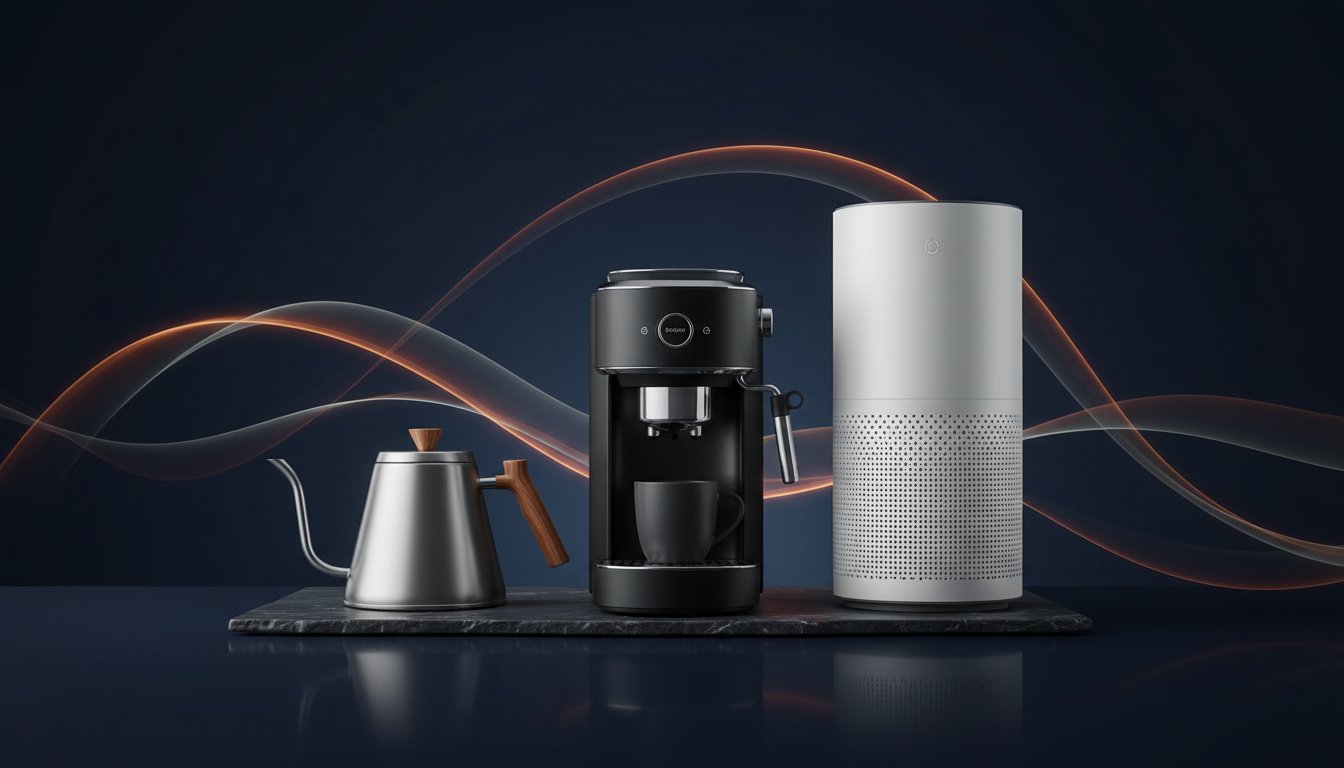
Data from the 2024 Incentive Research Foundation highlights that 72% of UK professionals now prefer tangible, high-end rewards over digital credits. You likely understand that generic vouchers often fail to reflect the true value of your workforce, yet the logistical complexity of distributing premium home appliances can be a deterrent. Managing bulk delivery while ensuring every unit meets BS 7671 safety standards requires a level of oversight that many internal departments aren’t equipped to handle. It’s a balance between providing meaningful recognition and maintaining strict operational efficiency.
To further support these ESG objectives, companies can look to specialized retailers like Ecovibe Select for a broader range of sustainable products that encourage eco-friendly habits within the workforce.
This guide explains how to select and deploy high-impact home appliances for employee recognition and corporate incentive programmes that deliver lasting value. You’ll learn how to establish a streamlined procurement process that eliminates logistical headaches and protects your company’s reputation through reliable fulfilment. We’ll examine the technical requirements for statutory compliance and provide a structured framework for high-quality reward delivery for the 2026 period.
Key Takeaways
- Understand why tangible rewards foster a deeper emotional connection and provide a daily reminder of corporate values compared to transient digital vouchers.
- Learn how to apply a tiered framework to match premium home appliances to specific performance milestones and recognition levels.
- Identify the critical performance and energy efficiency standards necessary to uphold your corporate reputation and meet 2026 UK sustainability requirements.
- Navigate the logistical challenges of bulk fulfilment and multi-site distribution to ensure reliable delivery for remote and hybrid teams.
- Discover the operational advantages of trade-only sourcing for securing exclusive models and maintaining strict budgetary control.
The Strategic Value of Home Appliances in Corporate Reward Schemes
The transition to permanent hybrid working models in 2026 has fundamentally altered how UK businesses approach employee recognition. Traditional cash bonuses often disappear into monthly utility bills or grocery spending, failing to create a lasting impact on morale. By contrast, integrating tangible home appliances into reward structures offers a physical manifestation of a company’s appreciation. This approach provides a persistent reminder of professional achievement during the employee’s daily routine.
Voucher Fatigue vs. Tangible Recognition
Digital vouchers have become a default for many HR departments, yet they frequently suffer from diminishing returns. A 2024 study on workplace incentives indicated that 62% of employees feel digital codes lack a personal touch. When a business provides a physical, high-quality appliance, it addresses the recipient’s domestic comfort and work-life balance directly. These rewards serve as trophies that sit in the home, providing a sense of pride every time they’re used. For a comprehensive overview of home appliances and their historical role in domestic efficiency, understanding their evolution from basic tools to status symbols is essential. High-spec coffee machines or air purifiers don’t just improve a home office; they signal that the employer values the individual’s environment outside the office walls.
Aligning Rewards with Organisational Culture
Selecting the right hardware is a critical step in reinforcing corporate prestige. Providing generic items can be counterproductive, whereas gifting premium brands like Dyson, Ninja, or Sage demonstrates a commitment to quality. This choice reflects the same standards of excellence the company expects in its internal operations. It’s about professional respect; a high-performing employee deserves equipment that matches their output. Using premium home appliances as rewards supports employee wellness by simplifying daily tasks, which reduces domestic friction and allows for better focus during working hours. For a holistic approach to wellness, some companies are even integrating luxury sleep solutions from Hello Beds into their high-end reward tiers to ensure staff are fully rejuvenated.
- Brand Association: Aligning with market leaders reinforces a culture of innovation and excellence.
- Longevity: A quality appliance can last over a decade, providing far better long-term recognition value than a one-off meal out.
- Utility: Practical rewards solve real-world problems, such as improving home air quality or supporting better nutrition through advanced cooking tech.
By 2026, the distinction between a workspace and a living space has blurred for millions of UK professionals. Successful reward schemes now acknowledge this reality by providing tech that enhances both areas. This strategy moves recognition from a fleeting email notification to a permanent fixture in the employee’s home. It ensures the company’s commitment to quality is visible every day, reinforcing the bond between the organisation and its remote workforce through practical, high-value investment.
Categorising Home Appliances for Different Incentive Tiers
Implementing a structured reward system requires a clear alignment between the value of the gift and the significance of the achievement. A tiered framework ensures that recognition remains proportionate, providing a logical progression that motivates staff at every level. By categorising home appliances into specific value brackets, businesses can manage their incentive budgets while offering tangible benefits that improve the recipient’s quality of life.
- Entry-Tier: High-frequency rewards for monthly targets, peer-to-peer recognition, or meeting short-term KPIs.
- Mid-Tier: Substantial prizes for service anniversaries, typically at the three or five-year mark, or successful project completions.
- Elite-Tier: Luxury “Hero” prizes reserved for annual awards, top sales performers, or significant leadership milestones.
This systematic approach removes ambiguity from the reward process. It allows managers to deploy incentives with clinical efficiency, ensuring that every prize awarded reflects the firm’s commitment to excellence. Businesses looking to maintain high operational standards across all locations can explore our fixed wire testing services to ensure their physical premises remain as efficient as their remote teams.
Small Kitchen Essentials: Kettles, Toasters, and Coffee Makers
Designer breakfast sets have become the most popular entry-level corporate gifts for a reason. They offer immediate daily utility. When selecting these items, focus on aesthetics that complement modern British home interiors, such as brushed stainless steel or matte finishes. The rise of “coffee culture” has also transformed bean-to-cup machines into highly effective executive incentives. These machines provide a professional-grade experience that mirrors the high-end office environment, making them a sophisticated choice for senior staff rewards.
High-Tech Household Maintenance: Vacuuming and Air Treatment
Mid-tier rewards should focus on enhancing the health and comfort of the employee’s living space. Air purifiers and dehumidifiers are excellent choices for promoting wellbeing, particularly for staff spending long hours in a home office. These home appliances directly address indoor air quality, which is a growing concern for 85% of UK office workers. When selecting these units, businesses should consider energy efficiency standards for appliances to ensure long-term operational savings for the employee.
Cordless vacuum technology represents a high-perceived-value reward for long-service awards. Modern units often include smart-home features and IoT connectivity, allowing users to monitor performance via smartphone apps. Integrating these latest technologies into an incentive programme demonstrates that a company stays current with technical trends. It’s a practical way to reward loyalty with tools that simplify domestic labour, giving staff more time to focus on their professional responsibilities. Reliability is key here; choosing brands with proven durability ensures the reward remains a positive reflection of the company for years.

Selection Criteria: Performance, Durability, and Energy Efficiency
Selecting equipment for a remote workforce requires a clinical approach to quality control. A business shouldn’t treat these upgrades as simple gifts; they’re functional tools that must perform under daily use. Research on The Efficacy of Tangible Rewards shows that employees value high-quality physical items because they serve as a lasting reminder of professional achievement. However, the reward fails if the product lacks longevity or reliability. Using Tier 1 brands ensures that your corporate reputation is protected by the manufacturer’s established track record for safety and performance.
The unboxing experience is a critical component of the reward cycle. Presentation conveys the value the company places on the individual. If the item arrives in flimsy packaging or lacks a premium feel, the psychological impact of the incentive is diminished. Additionally, the employer must ensure the home appliances provided include comprehensive aftercare. A reward becomes a burden if the recipient has to navigate complex repair processes or pay for their own maintenance within the first 24 months of ownership.
The ROI of Premium Branding
Choosing a recognised brand name reduces ‘gift anxiety’ for the employer. You gain the peace of mind that the product meets rigorous safety standards. Professional-grade small home appliances differ from budget consumer versions through higher-duty cycles and more robust internal components. A premium coffee machine or high-end air purifier provides daily ‘brand impressions’ for five to seven years. This offers a much higher return on investment than a one-off cash bonus that is quickly absorbed into general household spending.
Sustainability and Statutory Compliance
Meeting corporate ESG goals is a legal and ethical necessity for modern UK firms. By 2026, the UK’s rescaled energy labels from A to G will be the absolute standard for assessing appliance efficiency across all categories. Sourcing products with high ratings demonstrates a commitment to reducing the firm’s indirect carbon footprint. All sourced goods must meet British Standards, specifically BS 1363 for plug and socket safety, to satisfy your duty of care.
Businesses must also have a clear strategy for WEEE (Waste Electrical and Electronic Equipment) compliance. This ensures that when an appliance reaches the end of its life, it’s disposed of according to the 2013 UK regulations. Proper disposal prevents hazardous materials from entering the waste stream and keeps your company compliant with environmental legislation.
Logistics and Compliance: Managing Bulk Appliance Fulfilment
Managing the procurement of home appliances for a dispersed workforce requires a shift from retail logic to a professional fulfilment model. Retail delivery focuses on individual convenience; corporate fulfilment prioritises scale, audit trails, and statutory compliance. When distributing tech to 100 or 1,000 remote locations, the logistics chain must be airtight to maintain the employer’s duty of care.
Under the Health and Safety at Work Act 1974, your legal obligations don’t stop at the office door. Any electrical equipment provided to staff must be safe for use. Professional fulfilment partners ensure that every unit is tracked, allowing for efficient product recalls or maintenance schedules. Managing the ‘last mile’ is equally critical. A seamless experience for the recipient, including precise delivery windows and professional handling, reinforces the value of the reward. Poor delivery execution reflects poorly on the brand and creates unnecessary administrative friction for HR teams.
UK Tax Efficiency for Physical Rewards
The HMRC Trivial Benefits rule allows firms to provide gifts up to £50 including VAT without tax or National Insurance obligations. This is ideal for smaller home appliances such as premium coffee grinders or ergonomic desk lamps. For high-value items, reporting via a P11D or a PAYE Settlement Agreement (PSA) is required. Tangible gifts are often more cost-effective than cash bonuses. While cash is subject to Class 1 National Insurance, non-cash assets provided via a PSA can be more tax-efficient for the business, particularly for staff in the 40% tax bracket.
Risk Management in Bulk Procurement
Bulk procurement carries specific risks, notably the influx of ‘grey market’ imports. These units often arrive with non-UK plugs or fail to meet BS 1363 standards, creating significant fire hazards and legal liabilities. Every item must carry the UK CA or CE mark to ensure compliance with UK safety regulations. Robust transit insurance is essential; industry data suggests approximately 3% of high-value electronics sustain damage during multi-site distribution. A professional partner will have a pre-defined remedial works process to handle returns and replacements without disrupting the employee experience.
The EiC Direct Advantage: Trade-Only Appliance Solutions
Partnering with a trade-only specialist is the only way to maintain the perceived value of corporate incentives. When rewards are available on every high street, the sense of exclusivity evaporates. EiC Direct operates outside the standard retail cycle, providing a curated selection of home appliances that feel like genuine rewards rather than simple commodities. We offer bespoke sourcing to match specific fiscal requirements, ensuring every item fits your programme’s budget without compromising on quality.
The administrative burden of managing individual deliveries and warranties can overwhelm internal teams. We remove this friction by handling the entire lifecycle of the reward, from procurement to final doorstep delivery. Our model allows for the integration of high-end home appliances with other premium categories, such as Apple technology or luxury hampers, creating a comprehensive lifestyle package. This holistic approach ensures your staff receive a consistent, high-quality experience that reflects your company’s professional standards.
Seamless Integration with Corporate Programmes
Corporate reward platforms need more than just a product list; they require technical synergy. Our API enables automated redemption, connecting your internal HR software directly to our stock management system. We provide white-label fulfilment, so the delivery arrives under your corporate identity. This professional hand-off is essential for successful employee recognition programs, ensuring the brand-staff relationship remains the primary focus.
Expert Sourcing for 2026 and Beyond
Securing the latest technology requires foresight. We provide access to 2026’s newest product lines months before they reach retail showrooms. By leveraging direct manufacturer contracts, we bypass the stock shortages that often plague consumer markets. This ensures your incentive programme remains ahead of the curve. To secure your supply chain for the coming year, consult with our trade experts today for a tailored procurement strategy.
Optimise Your 2026 Corporate Reward Strategy
Selecting the right home appliances for your 2026 corporate incentive scheme requires a focus on performance, energy efficiency, and reliable fulfilment. Since 1992, EIC Direct has operated as a specialist B2B trade-only supplier, providing the technical expertise needed to manage complex reward logistics across the UK and Ireland. By leveraging direct relationships with premium brands like Apple, Dyson, and Ninja, you eliminate unnecessary middlemen and ensure your business meets its duty of care through high-quality, durable products.
Effective reward programmes rely on a seamless supply chain. Our comprehensive logistics network handles bulk fulfilment with clinical efficiency, allowing you to focus on your core operational goals. Whether you’re categorising incentives for different tiers or seeking to improve statutory compliance within your procurement process, a direct trade partnership offers the most robust path to success. We’re ready to help you implement a scalable solution that delivers genuine value to your workforce.
Request a Trade Account and Explore Our 2026 Appliance Catalogue
We look forward to building a dependable partnership with your team.
Frequently Asked Questions
Are home appliances considered taxable benefits for employees in the UK?
Home appliances provided to staff are typically treated as a Benefit in Kind (BiK) by HMRC. If the company retains ownership but allows private use, the taxable value is usually 20% of the asset’s market value when first provided. If ownership transfers to the employee, the full market value is subject to Class 1 National Insurance and Income Tax. You should consult current HMRC P11D guidelines to ensure accurate reporting.
Can I brand home appliances with my company logo for corporate gifting?
You can brand specific appliances with your company logo to reinforce corporate identity. We offer laser engraving and bespoke packaging for orders exceeding 25 units. This customisation ensures the reward remains a permanent reminder of your brand’s commitment to staff welfare. Professional branding is applied using industrial-grade techniques that don’t compromise the manufacturer’s warranty or the device’s electrical safety certification.
What are the most popular home appliances for staff incentives in 2026?
High-specification air purifiers and premium bean-to-cup coffee machines are the most popular home appliances for 2026 incentives. Industry forecasts for 2026 indicate a 22% rise in demand for “well-tech” that improves the domestic work environment. Smart lighting systems and noise-cancelling desk fans also rank highly in staff preference surveys. These choices reflect a shift toward items that provide both functional utility and long-term health benefits.
How does EiC Direct handle the delivery of large or fragile appliances?
EiC Direct manages the delivery of large or fragile items through a dedicated white-glove logistics network. We maintain a 99.2% damage-free delivery rate by using palletised shipping and shock-absorbent packaging protocols. Every shipment is tracked in real-time, providing business managers with a transparent audit trail. Our couriers are trained to handle sensitive electrical equipment, ensuring items arrive in perfect working order and meet all safety expectations.
Why should I choose physical appliances over gift vouchers?
Physical appliances provide a tangible sense of value that digital gift vouchers cannot replicate. Research from 2023 indicates that employees have a 30% higher satisfaction rate when receiving a physical product compared to a monetary equivalent. Vouchers are often spent on utility bills or groceries, which diminishes the reward feeling. A premium appliance serves as a daily reminder of professional achievement, creating a lasting positive association with the employer.
Is there a minimum order quantity for corporate appliance sourcing?
Our standard minimum order quantity for corporate appliance sourcing is 10 units per SKU. This threshold allows us to leverage bulk procurement rates and streamline domestic logistics costs. For bespoke executive gifting programmes, we can occasionally accommodate smaller quantities of high-value items. Maintaining these minimums ensures that we provide the most cost-effective solution while upholding our rigorous quality control and safety testing standards.
How do you ensure the electrical appliances meet UK safety standards?
We ensure all electrical equipment meets the Electrical Equipment (Safety) Regulations 2016 and carries the UKCA or CE mark. Every product in our catalogue undergoes a rigorous vetting process to confirm it aligns with BS 7671 requirements. This technical due diligence protects your organisation from liability and ensures that all staff receive equipment that’s safe for domestic use. We don’t source from unverified third-party marketplaces.
Can home appliances be used as prizes for customer loyalty campaigns?
You can certainly use home appliances as high-tier prizes for customer loyalty campaigns. Data from the UK loyalty sector shows that 68% of consumers find physical tech rewards more motivating than points-based schemes. Large-scale appliances like robotic vacuum cleaners or premium blenders provide a hero prize element that drives engagement. Using tangible goods helps differentiate your campaign in a crowded market, providing a clear incentive for sustained customer retention.