
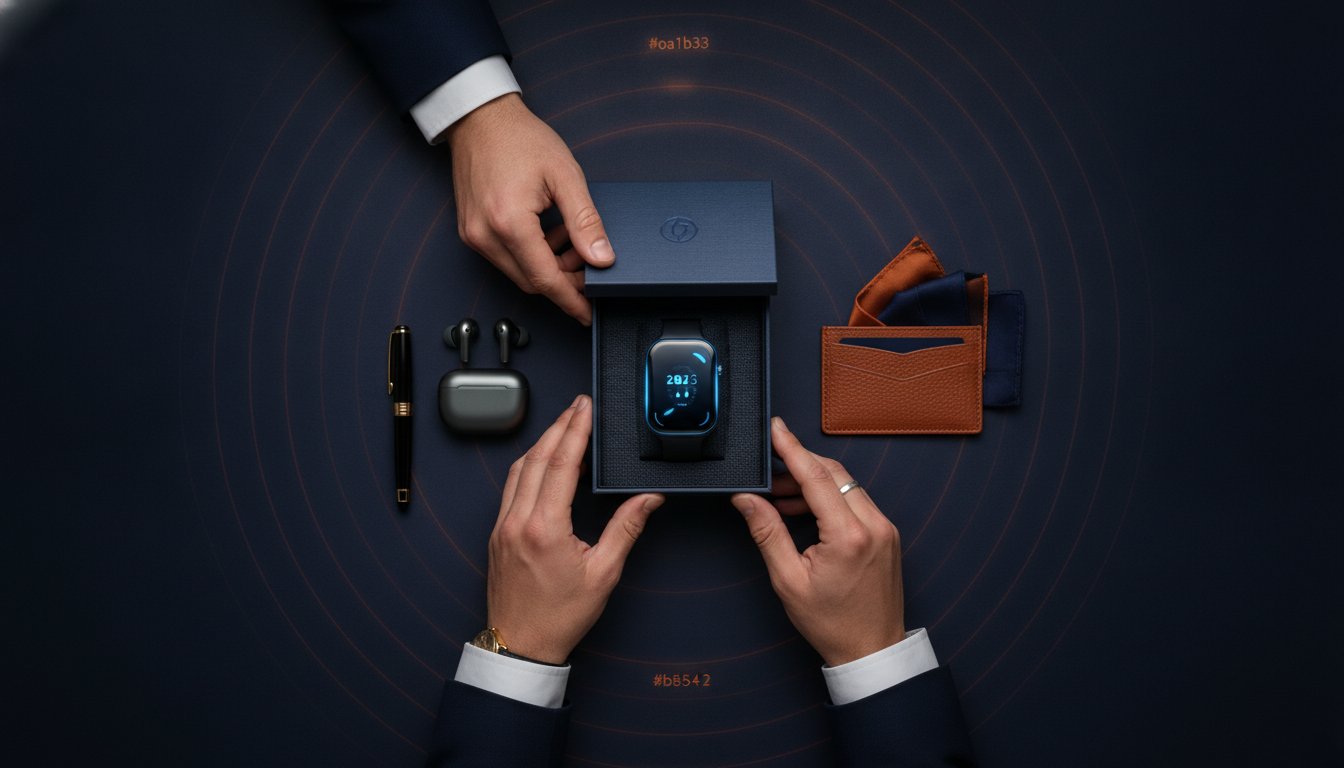
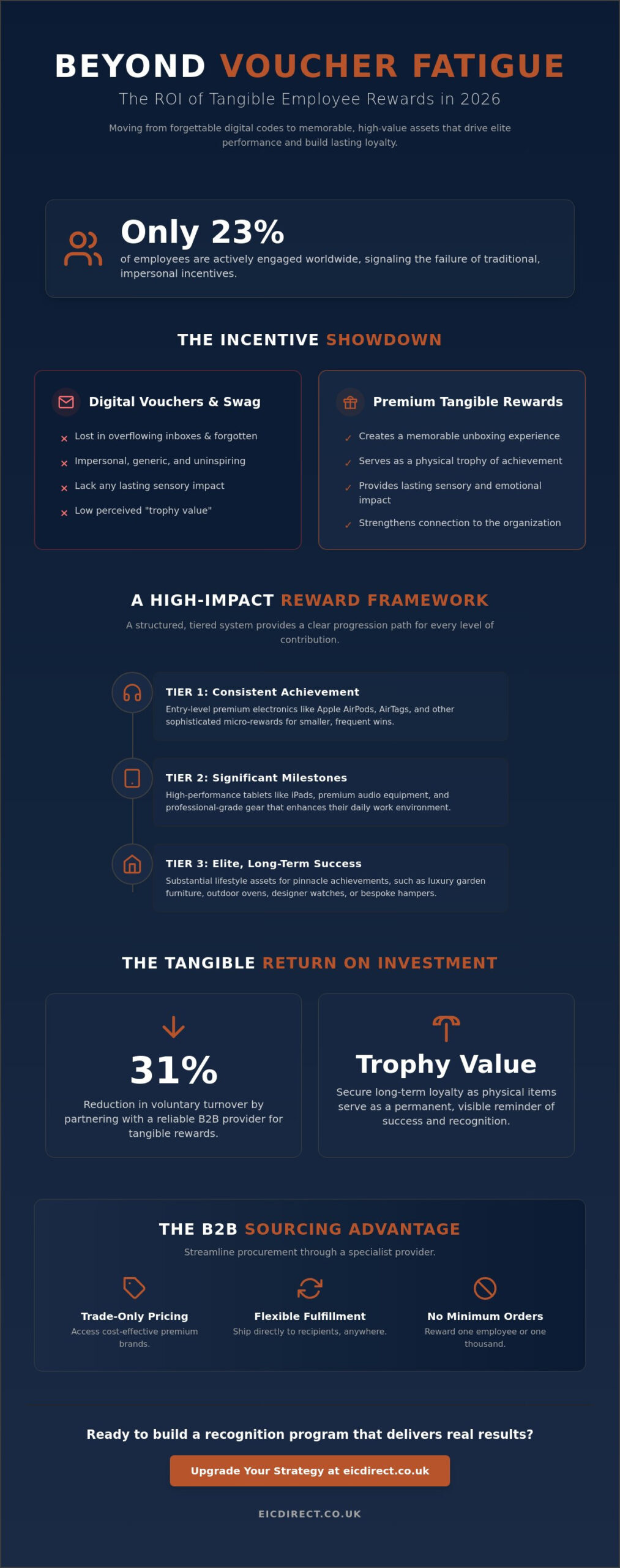
With only 23% of employees worldwide actively engaged in 2026, the traditional digital voucher has become a symbol of “voucher fatigue” rather than a true motivator. When an incentive is easily lost in an overflowing inbox, it fails to drive the elite results your business requires. You’ve likely seen how generic swag or impersonal codes fail to resonate with high-performing executive staff; instead, they often create an administrative burden that yields little return on investment. Effective employee performance rewards must provide a sensory impact that digital assets simply cannot match.
We understand that sourcing and delivering high-end prizes is complex and time-consuming. This guide shows you how to move beyond fleeting digital gestures toward a strategy centered on premium, tangible assets. You’ll learn how to implement a streamlined fulfillment process for high-value rewards, such as Apple electronics and luxury goods, that are proven to improve morale. By the end of this article, you’ll have a clear roadmap for partnering with a reliable B2B provider to reduce voluntary turnover by 31% and secure the long-term loyalty of your most valuable talent.
Key Takeaways
- Identify why physical unboxing experiences provide the sensory impact necessary to reverse modern engagement declines.
- Implement a structured, tiered framework that utilizes high-value electronics and bespoke luxury goods to maintain a clear path for executive performance.
- Streamline procurement through specialist B2B channels that offer trade-only pricing and flexible fulfillment without minimum order requirements.
- Analyze the specific tax and retention advantages of tangible employee performance rewards over traditional cash-based incentives.
The Evolution of Employee Performance Rewards: Beyond Voucher Fatigue
By 2026, the digital voucher has lost its efficacy as a primary tool for professional recognition. This shift is driven by “voucher fatigue,” a phenomenon where impersonal digital codes are lost within overflowing inboxes or forgotten in digital wallets. These rewards lack the physical weight and presence required to register as a significant achievement. To drive elite output, modern employee performance rewards must move toward tangible, high-value assets that provide a lasting sensory impact.
There is a fundamental difference between generic promotional swag and premium incentives. High-performing executive staff are not motivated by low-value items like branded mugs or keyrings. Instead, they respond to premium goods that reflect their professional status. This distinction is critical for maintaining a culture of excellence. You can explore the data regarding this transition in our comprehensive analysis of Tangible Rewards.
The Psychology of the Sensory Reward
Physical objects carry a “trophy value” that cash or digital credits cannot replicate. When an employee receives Apple AirPods or designer luggage, the item serves as a permanent, visible reminder of their success. Effective Reward management strategies prioritize these sensory experiences because they foster a deeper connection to the organization. In today’s hybrid workspace, premium electronics and high-end audio equipment are particularly effective. They improve the daily working environment while signaling that the individual’s contribution is valued at a high level.
Performance Rewards vs. Benefits
It’s vital to distinguish between standard benefits and employee performance rewards. Benefits are standard entitlements provided as part of a contract. Rewards must be earned through specific, elite milestones. Using premium electronics to mark these achievements helps signal elite status within the company. This approach avoids the “benefit trap,” where incentives are eventually perceived as standard package inclusions. By keeping rewards distinct from benefits, you ensure that recognition remains a powerful, active driver of performance rather than a passive expectation.
Designing a High-Impact Reward Framework for 2026
Building a structured framework for employee performance rewards requires more than occasional recognition. A tiered system provides a clear progression for staff to follow. For example, Tier 1 rewards might include entry-level premium electronics like Apple AirPods. Tier 2 could scale to high-performance tablets like iPads. For elite, long-term achievements, Tier 3 offers substantial lifestyle assets such as luxury garden furniture or outdoor ovens. This structure ensures that every level of contribution is met with a proportional tangible asset.
Choice architecture is equally important. Rather than assigning a single item, providing a curated selection of premium goods empowers the recipient. This alignment with personal preference strengthens the psychological impact of the reward. Scientific research on intrinsic rewards and motivation suggests that when rewards feel personally relevant, they drive higher levels of sustained engagement. For executive demographics, offering professional-grade equipment like golf clubs or high-end gym gear signals a deep understanding of their lifestyle and professional standing.
Selecting the Right Categories for Your Workforce
Matching reward categories to workforce demographics is essential. Modern trends show a significant increase in demand for home and garden rewards. Items such as BBQs, grills, and kitchen accessories like high-end bake wear offer utility beyond the office environment. For smaller, frequent wins, micro-rewards like Apple AirTags provide a sophisticated alternative to generic tokens. You can find more details on these strategies in our guide to Staff Incentives in 2026.
Maintaining Brand Integrity in Gifting
Maintaining corporate standards is vital during the procurement process. Distributing low-quality promotional items risks devaluing your brand and insulting high-performing staff. Premium incentives, such as bespoke luxury food hampers or designer watches, project a level of professional respect that generic clothing cannot achieve. EIC Direct focuses exclusively on premium brands to ensure that every reward reinforces your company’s commitment to quality. If you’re looking to upgrade your recognition program, you can browse our premium incentive catalog to find high-impact solutions that align with your corporate identity.
Sourcing and Procurement: The B2B Trade-Only Advantage
Procuring employee performance rewards through standard retail channels often creates significant operational friction. Retailers are structured for individual consumer transactions; they aren’t equipped to handle the specific reporting and logistical requirements of a corporate incentive program. A specialist B2B trade-only supplier operates differently. They provide a direct link to premium brands, ensuring that your procurement process is both cost-effective and legally compliant. This model removes the markups associated with retail middlemen while providing the documentation required for corporate auditing.
Flexibility is a critical requirement for modern recognition strategies. A “No Minimum Order Quantity” (MOQ) policy is essential for businesses that want to scale bespoke rewards for specific milestones. Whether you need a single iPad for a monthly top performer or one hundred Apple AirPods for a company-wide initiative, your partner should accommodate that range without penalty. Managing these logistics internally often leads to high overheads and delivery errors. You can find more information on optimizing these processes in our guide to Professional Prize Fulfilment Services.
Streamlining Global and National Fulfilment
The logistics of delivering high-value, bulky items require specialized oversight. Managing the distribution of gym equipment or large sets of garden furniture isn’t a task for an internal HR department. Professional B2B partners handle the end-to-end experience, from secure warehousing to white-glove delivery at the employee’s door. For large-scale sales competitions, real-time inventory syncing is vital. It prevents the reputational damage caused by rewarding a staff member with an item that is actually out of stock.
The Direct-to-Trade Model
Authenticity is a primary concern when sourcing high-end electronics. By utilizing a direct-to-trade model, you ensure that every iPad, camera, or laptop is a genuine, UK-spec product with a full manufacturer’s warranty. This eliminates the risks associated with “gray market” goods often found on discount retail sites. Trade-only partners are also better equipped to provide the detailed reporting necessary for tax compliance and internal budget tracking. They understand the professional standards required in a B2B environment, offering a level of reliability that consumer-facing stores simply can’t match.
If your current procurement process is creating an administrative burden, it’s time to transition to a more efficient model. You can contact our team today to discuss our B2B reward procurement services and streamline your next incentive program.
Measuring the ROI of Tangible Performance Rewards
Quantifying the return on investment for employee performance rewards requires a shift from tracking simple productivity to measuring long-term retention and engagement. One effective method involves monitoring internal social proof. When staff share “unboxing” experiences or display their rewards on internal platforms, it creates a visible culture of success. High-quality items, such as bespoke luxury food hampers, foster a reciprocity effect. This psychological bond is far stronger than the fleeting satisfaction provided by digital codes or cash equivalents.
Financial comparisons often favor tangible assets over liquid bonuses. For instance, a £300 cash bonus is frequently absorbed into household bills or reduced by tax, quickly losing its identity as a reward. Conversely, a £300 iPad remains a permanent fixture in an employee’s life, serving as a constant reminder of their achievement. This persistence is why 65% of employees report that recognition is more motivating than money. By choosing physical goods, you ensure the reward maintains its value and visibility long after the initial presentation.
Tangible Rewards and the Retention Loop
Implementation Checklist for HR Leaders
Successfully deploying a premium incentive strategy requires a methodical approach. HR leaders should follow these foundational steps:
- Define Metrics: Establish clear performance tiers and the specific KPIs required to trigger each reward level.
- Curate the Catalog: Partner with a specialist trade supplier to select a range of premium goods that align with your corporate standards.
- Launch Strategically: Use a high-impact communication plan to introduce the program, focusing on the sensory and practical value of the physical prizes.
To ensure your program is supported by a robust logistical framework, you need a dependable partner. EiC Direct provides the professional sourcing and bulk fulfilment expertise required to manage elite recognition programs in 2026. Contact us to discuss how we can help you transition to a high-impact, tangible reward strategy.
Securing Elite Engagement Through Tangible Assets
Transitioning from impersonal digital codes to high-value physical goods is a strategic necessity for maintaining professional standards in 2026. By implementing a tiered framework centered on premium electronics and luxury lifestyle assets, you create a permanent, visible culture of achievement. These tangible assets serve as daily reminders of success, fostering a level of reciprocity and loyalty that cash bonuses simply cannot match. Efficiently managing employee performance rewards requires a move away from retail friction toward a streamlined, professional procurement model.
Reliability in fulfillment is paramount to protecting your corporate reputation. As a specialist B2B trade-only supplier since 1992, we provide the logistical expertise needed to handle complex national orders. We offer no minimum order quantity on premium electronics and luxury goods, ensuring you can scale your recognition program with precision and efficiency. Partner with EiC Direct for your 2026 reward strategy and secure the long-term commitment of your most valuable talent. We look forward to helping you drive elite performance through expert-led fulfillment solutions.
Frequently Asked Questions
Are physical employee rewards better than cash bonuses in 2026?
Physical rewards are superior to cash because they provide a lasting “trophy value” that isn’t eroded by tax or household bills. While cash is often spent on necessities, a tangible item like a designer watch or high-end laptop serves as a permanent reminder of success. This physical presence helps build deeper emotional loyalty and long-term retention within the workforce.
What are the most popular premium electronics for staff incentives?
Apple products remain the most requested category for 2026, specifically Apple AirPods, iPads, and AirTags. Other high-performing electronics include high-end audio equipment, such as soundbars and headphones, alongside professional-grade laptops and cameras. These items are valued for their high perceived status and utility in both professional and personal environments.
How do I manage the delivery of large performance rewards like garden furniture?
Managing large-scale employee performance rewards like garden furniture or gym equipment requires a partner with specialized national fulfillment capabilities. B2B suppliers handle the entire logistics chain, including secure warehousing and direct-to-door delivery. This approach removes the administrative and storage burden from your internal HR or facilities teams.
Can I order high-end corporate gifts without a minimum order quantity?
You can order premium items without a minimum order quantity (MOQ) when partnering with a specialist B2B trade supplier. This flexibility allows businesses to reward individual milestones, such as a single iPad for a top seller, without the need for bulk purchasing. It ensures that bespoke recognition programs remain scalable and cost-effective for any size of organization.
Why should businesses avoid vouchers and experiences for performance rewards?
Vouchers and experiences often contribute to “voucher fatigue,” where digital rewards are easily lost in cluttered inboxes. These incentives lack the sensory impact and “unboxing” experience that physical goods provide. Tangible items like bespoke luxury food hampers create a stronger psychological connection to the brand, ensuring the recognition feels significant rather than transactional.
What is the most tax-efficient way to provide employee performance rewards in the UK?
The most tax-efficient method involves utilizing a PAYE Settlement Agreement (PSA), which allows the employer to cover the tax and National Insurance on employee performance rewards. This ensures the recipient receives the full value of the gift without any personal tax liability. For smaller tokens under £50, the Trivial Benefit rule may apply, provided the reward isn’t linked to specific work performance or contractual obligations.