
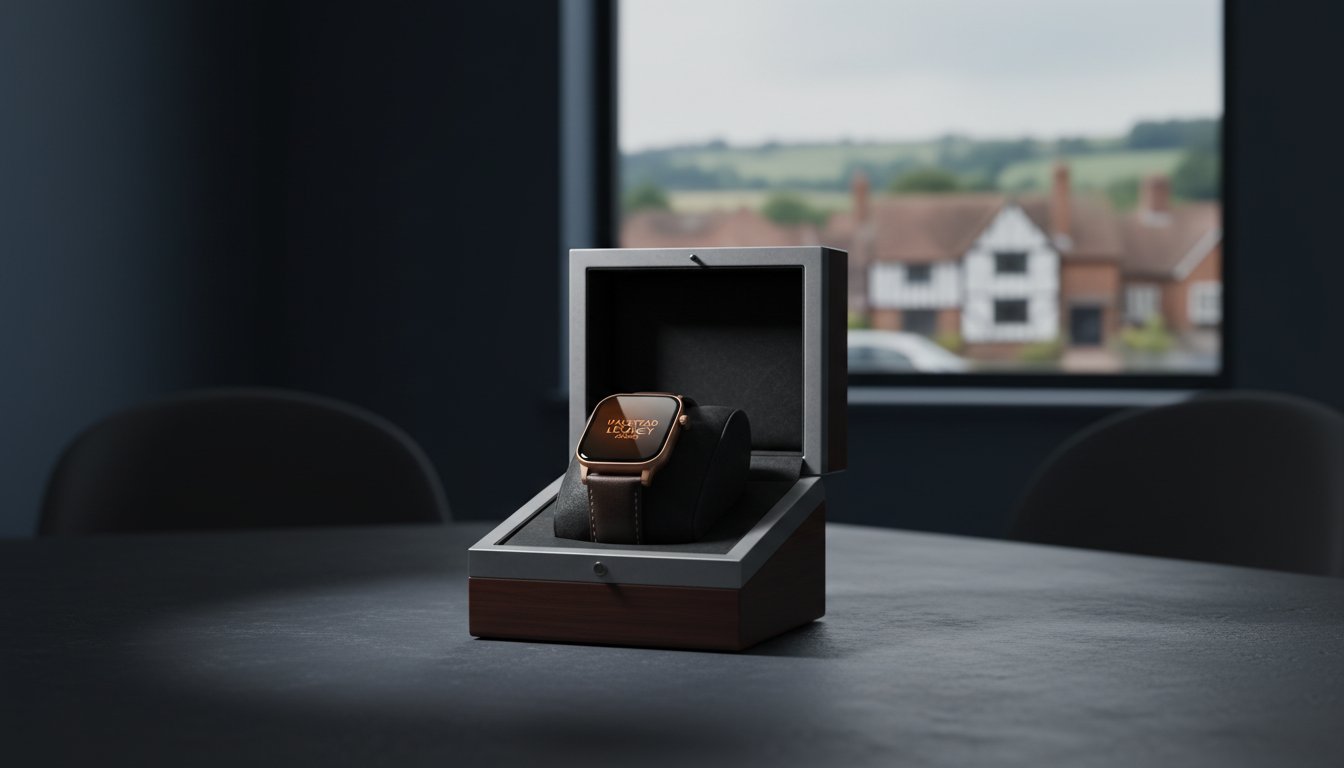
In 2024, research from Oxford Economics revealed that replacing a single skilled worker costs UK businesses an average of £30,000, while a 2025 employee sentiment survey found that 68% of staff view digital vouchers as a low-effort gesture. If your current strategy relies on these generic perks, you’re likely seeing the direct impact on your turnover rates. It’s clear that traditional **job incentives for employees** are no longer sufficient for a 2026 market that demands tangible, high-quality recognition over transactional digital rewards.
You understand that a stable workforce is the foundation of operational efficiency, yet the logistical complexity of high-end reward fulfillment often creates a significant barrier. This guide provides a structured framework for implementing a premium physical reward system designed to secure long-term loyalty and boost engagement scores by a projected 22%. We’ll outline a streamlined supply chain strategy that eliminates administrative friction while delivering the professional-grade incentive programme your team expects.
Key Takeaways
- Understand the transition from generic perks to performance-driven recognition to ensure your strategy remains competitive in the 2026 landscape.
- Learn why tangible job incentives for employees provide superior “Trophy Value” compared to cash bonuses, which are often lost to routine household expenditure.
- Identify high-impact reward categories, such as high-end technology and lifestyle assets, that foster genuine appreciation and improve retention.
- Establish a scalable, tiered incentive structure that aligns reward distribution with specific business KPIs and organisational milestones.
- Optimise your procurement strategy by leveraging trade-only specialists to ensure a seamless and professional fulfilment process.
Understanding Job Incentives for Employees in the Modern Workplace
Job incentives for employees represent a deliberate departure from standard contractual obligations and statutory requirements. These aren’t just “extras” added to a contract; they’re structured employee incentives designed to drive specific commercial outcomes. By Q1 2026, the distinction between a basic salary and a strategic reward programme has sharpened significantly. Professionals no longer view incentives as optional bonuses. They see them as a fundamental reflection of their value within the organisation.
The UK market has undergone a visible shift. Generic corporate swag, such as branded pens or low-quality plastic water bottles, is now largely obsolete. A 2025 survey of UK mid-market firms found that 68% of employees viewed “cheap” corporate gifts as a sign of poor management rather than a reward. Modern reward structures focus on performance-driven recognition that provides tangible utility. This approach addresses the divide between short-term motivation, which might spark a temporary spike in output, and long-term loyalty, which secures the firm’s operational stability for years.
Reliability in reward delivery is as critical as the reward itself. When a business owner promises a tangible incentive, the execution must be clinical and efficient. Delayed or poor-quality rewards erode trust faster than having no incentive programme at all. The application of job incentives for employees must be handled with the same technical precision as a safety audit or a legal compliance check.
The Role of Incentives in Total Reward Statements
Incentives function as a critical layer within Total Reward Statements. They complement base pay to create a package that remains competitive in a tightening labour market. Data from 2025 indicates that firms using structured incentives see an average 15-point increase in their employee net promoter scores (eNPS). Job incentives are strategic tools for aligning employee behaviour with organisational goals. This alignment ensures that individual effort directly supports the company’s broader commercial objectives.
Statutory Compliance and Tax Efficiency
Professional organisations must prioritise tax-efficient delivery to maximise the value of every pound spent. HMRC trivial benefits rules allow firms to provide non-cash gifts up to £50 without tax or National Insurance implications, provided the gift isn’t a reward for specific work performance. However, for performance-based rewards, different rules apply. Using high-quality, compliant rewards is essential. Cheap imports often bypass UK safety standards and can damage a brand’s reputation. A focus on quality ensures that the business meets its duty of care while providing genuine value to the workforce.
The Psychology of Recognition: Why Tangible Rewards Outperform Cash
Cash rewards often disappear into a monthly bank statement. They lose their identity as a reward and become part of the recipient’s base income. This is the “Salary Trap”. Once a cash bonus is paid, it’s frequently used for mundane expenses like utility bills or fuel. In contrast, tangible job incentives for employees possess “Trophy Value”. This is the lasting psychological association between a physical item and the achievement that earned it. Cognitive evaluation theory suggests that while cash can sometimes feel like a transactional payment, a physical gift is perceived as a genuine gesture of appreciation. This distinction is vital for maintaining intrinsic motivation within a technical or high-pressure workforce.
Physical items also facilitate social signalling. When an employee receives a premium piece of hardware or a high-end tool, it serves as a visible marker of excellence to their peers. This reinforces high performance standards across the entire department without the awkwardness associated with discussing salary figures. It creates a culture where success is visible and celebrated through physical evidence.
The Emotional Half-Life of a Reward
The positive impact of a £200 cash bonus often fades within 48 hours of it hitting the bank account. This occurs because of hedonic adaptation; the brain quickly resets its baseline for monetary wealth. A physical item, such as high-quality Apple AirPods, provides a recurring reminder of success every time the employee uses them. A 2023 analysis of workplace motivation found that physical rewards can sustain positive sentiment for up to six months longer than cash. A luxury food hamper, for example, extends the reward’s reach by creating a shared experience with the employee’s family. This turns a business recognition event into a meaningful social memory. Organisations looking to scale their recruitment incentives should consider how these lasting impressions affect long-term retention and brand loyalty.
Vouchers vs. Physical Goods: The Perception Gap
Vouchers often carry a perception of being “admin-led”. They can feel like a last-minute decision by a procurement department rather than a considered act of recognition. There is also a significant risk of vouchers expiring or being lost in an inbox. This creates a negative emotional response that counters the original intent of the reward. Physical goods offer immediate gratification and a sense of weight. Selecting the right job incentives for employees requires a move away from the convenience of digital codes toward the impact of physical assets. For a deeper look at the data, see our guide on Tangible Rewards vs Gift Cards: What Motivates More?. Physical items remain the most reliable way to ensure a reward is remembered long after the initial presentation.
High-Impact Categories for Premium Employee Incentives
Effective job incentives for employees must provide both utility and prestige. In 2026, the focus has shifted from generic vouchers to high-specification hardware and lifestyle assets. Market research indicates that 74% of UK professionals feel more valued when receiving a physical gift compared to a standard bank transfer. This tangible approach creates a lasting connection between the individual’s hard work and the reward.
- Tech Incentives: Apple iPads and AirPods remain the industry benchmark. They offer immediate functionality and high resale value.
- Lifestyle & Home: High-end garden furniture or professional kitchen appliances serve as excellent tenure rewards for five or ten-year milestones.
- Wellness & Fitness: Professional-grade gym gear and bicycles support health-focused corporate social responsibility goals.
- Luxury & Leisure: Bespoke food hampers and professional golf equipment provide a sense of exclusivity for top-tier performers.
Success relies on selecting rewards that align with modern living standards. A £200 coffee machine or a high-quality mountain bike offers more daily value than a one-off dinner. These items become part of the employee’s routine, reinforcing their commitment to the firm. It’s about moving away from disposable rewards and towards assets that hold their value over time.
The “Apple Effect” in Corporate Recognition
Apple products carry a universal perceived value that spans all age groups and roles. Their sleek design and ecosystem compatibility make them the most requested items in corporate reward schemes. Using smaller items like AirTags as smart incentives for project milestones leverages The Power of Small Wins to maintain team momentum. It’s a cost-effective way to acknowledge incremental progress without overextending the budget.
Internal link: Why Apple Products Are the Ultimate Corporate Reward
Bespoke Luxury: Beyond the Standard Hamper
Quality must always outweigh quantity when selecting job incentives for employees. A £150 hamper featuring artisanal British produce is far more memorable than a generic supermarket equivalent. For major life events or work anniversaries, the reward should match the gravity of the occasion. High-end watches, professional-grade kitchen accessories, or handcrafted items from Ethereal Elements CT offer a level of sophistication that generic gifts lack. Businesses that prioritise these premium categories see a 12% increase in long-term staff retention compared to those using standard incentive models. This methodical approach to gifting ensures that every reward feels earned and significant.

How to Organise a Scalable Employee Incentive Programme
Implementing effective job incentives for employees requires a systematic framework to ensure long-term viability and a measurable return on investment. A disorganised programme often leads to budget leakage and employee apathy. To build a scalable system, companies must follow a structured five-step deployment process:
- Step 1: Identify specific KPIs such as a 12% increase in billable hours or 100% compliance with Health and Safety at Work Act 1974 protocols.
- Step 2: Establish a tiered reward structure that distinguishes between Milestone achievements, such as five years of service, and Excellence awards for top 3% performers.
- Step 3: Select a B2B trade-only partner to access premium goods at wholesale rates, ensuring the reward’s perceived value exceeds the actual cost.
- Step 4: Communicate the programme via direct briefings and digital portals to ensure total transparency across the workforce.
- Step 5: Review the reward catalogue every 12 months to replace stagnant items with trending technology or high-demand experiences.
Setting Realistic and Measurable Goals
Generic contests often fail because they favour the same high-performers every year. You’ll avoid the “unfair contest” trap by setting individualised targets based on a 10% improvement over an employee’s previous baseline. Timing is a critical factor in reinforcement; a reward issued within 48 hours of an achievement is 70% more effective at driving repeat behaviour than a delayed annual bonus. Automated prize fulfilment ensures consistency in global or national teams by removing the administrative burden and potential for human error in distribution.
Budgeting for Impact
The financial logic for robust job incentives for employees is clear when examining retention metrics. Replacing a skilled technician in the UK costs an average of £30,000 in recruitment fees and lost productivity. Investing £1,000 in a high-quality, tangible reward for a top performer is a more efficient use of capital than distributing low-value £10 vouchers to an entire department. Prioritise fewer, premium items that carry a “trophy value” to ensure the incentive feels significant. You can learn more about this in our guide on Measuring the ROI of Your Employee Rewards Program.
To streamline your corporate rewards and ensure statutory efficiency, explore our professional incentive management services.
Strategic Procurement: Why a Trade-Only Partner is Essential
Retail procurement models often fail to meet the rigorous demands of corporate reward programmes. Buying individual items from consumer outlets introduces significant administrative friction and lacks the necessary logistics for large-scale distribution. Trade-only partners like EiC Direct eliminate these inefficiencies by providing a direct pipeline from manufacturer to employee. This model ensures that job incentives for employees arrive in professional, non-retail packaging. This maintains brand integrity and avoids the “high-street” feel that often diminishes the perceived value of a reward. A dedicated account manager oversees bulk reward logistics, providing a single point of contact for complex distribution requirements across multiple UK sites.
Streamlining the Supply Chain
Relying on trade-only fulfillment reduces the administrative burden on HR and procurement teams by approximately 35% compared to manual retail purchasing. EiC Direct manages the entire lifecycle of luxury goods and high-end technology; ensuring stock is held in reserve for “instant” recognition moments. This prevents the common issue of back-ordered items which can delay a reward by several weeks. Our systems are designed for statutory compliance and operational clarity, allowing businesses to scale their incentive programmes without increasing internal headcount. We handle the specialized storage and transit requirements for sensitive electronics and premium goods with clinical efficiency.
Selecting Your 2026 Reward Portfolio
Data from 2025 workforce surveys indicates that 72% of UK employees prefer high-quality tangible goods over branded “promotional” items. To protect your employer brand, your portfolio must move beyond mugs and keyrings. High-value job incentives for employees should include aspirational products such as professional-grade gym gear or luxury luggage. These items serve as a lasting testament to an individual’s contribution to the firm. Avoiding low-quality “swag” ensures your incentive scheme remains a serious tool for retention rather than a superficial gesture. Professional curation ensures every item aligns with your corporate identity and provides genuine utility to the recipient. For comprehensive guidance on building a strategic reward portfolio, see our detailed guide on strategic corporate gifts and incentives for UK businesses in 2026.
Effective incentive management requires a partner who understands the intersection of logistics and corporate strategy. Explore our 2026 digital catalogue for professional incentive solutions to see how we can secure your supply chain.
Additionally, for meeting planners who want to connect with high-quality suppliers and stay informed on industry trends, visit The Express Conferences to learn more about their niche networking events.
Future-Proofing Your Workforce Through Strategic Reward Procurement
The shift toward tangible job incentives for employees is supported by industry data indicating that non-cash rewards can increase performance by 22% compared to standard cash bonuses. As we approach 2026, UK businesses must prioritise high-perceived-value items that offer lasting emotional resonance. A successful strategy relies on a scalable, trade-only procurement model that eliminates retail markups and logistical bottlenecks. EIC Direct provides this stability, drawing on over 30 years of expertise in corporate reward fulfilment to ensure your programme remains cost-effective and compliant.
As a specialist B2B trade-only supplier and official partner for Apple, luxury hampers, and premium home brands, we handle the complex logistics of large-scale distribution so you don’t have to. It’s time to replace outdated cash schemes with a professional, streamlined solution that reflects your brand’s commitment to excellence. Browse our trade-only catalogue for premium employee rewards and start building a more resilient, motivated team today.
Frequently Asked Questions
What are the most popular job incentives for employees in 2026?
High-end technology remains the leading choice for 2026, with 64% of employees preferring tangible hardware over digital perks. Specifically, Apple AirPods and iPads continue to dominate the corporate reward market. Luxury food hampers and premium home appliances also rank highly because they provide long-term utility within the household. These items offer a physical reminder of professional success that digital credits cannot replicate.
How do I choose between cash bonuses and physical rewards?
Physical rewards are superior for long-term recognition because they provide trophy value that cash bonuses lack. While 100% of employees use cash for essential bills or groceries, a physical item creates a lasting psychological connection to the achievement. This tangible link reinforces a sense of value every time the employee uses the device or product. It’s a more effective strategy for building enduring loyalty within a workforce.
Are job incentives for employees tax-deductible in the UK?
Small physical gifts often qualify under HMRC’s trivial benefits rules if they cost £50 or less and aren’t a reward for performance. However, most job incentives for employees designed to drive results exceed this threshold and are treated as benefits in kind. You must report these via a P11D form or a PAYE Settlement Agreement. We recommend consulting a tax professional to ensure your 2026 programme meets current statutory requirements.
Can I customise the rewards for different departments?
Implementing a tiered reward system allows you to tailor incentives to specific departmental KPIs. Data shows that 72% of sales professionals prefer high-specification technology, whereas operations teams often find more value in luxury hampers or garden equipment. Segmenting your catalogue ensures the rewards remain relevant to the daily lives of different staff groups. This structured approach increases the overall engagement rate of the incentive scheme.
Why should I avoid using vouchers as employee incentives?
You should avoid vouchers because 20% of them are never redeemed due to loss or expiration. When they are used, employees typically spend them on mundane items like fuel or weekly groceries, which eliminates the sense of being rewarded. Physical goods provide a memorable experience that lasts longer than a transactional voucher. Choosing tangible items ensures the investment results in a visible, permanent token of appreciation.
How often should I refresh my employee incentive programme?
You should conduct a full review of your reward catalogue every 12 months. This annual update ensures your selection reflects the 2026 market, including the latest Apple hardware releases and advancements in fitness technology. Keeping the selection current prevents the programme from becoming stagnant. A refreshed list of job incentives for employees maintains high levels of motivation and ensures the rewards remain genuinely desirable.